The Cost of Playing It Safe
An open letter to Mayor Michelle Wu, the Boston Licensing Board, and the Boston City Council regarding nightlife, culture, and the future of city life.
Last week, the Boston Licensing Board suspended Barcelona Wine Bar's license for three days. Some of that suspension was earned: the restaurant served seven underage patrons in May, and that's on them to fix. But buried in the same ruling was something else entirely. A bartender got dinged for pouring wine from a porrón, the traditional Spanish vessel Barcelona and Toro have used for a communal pour for years, while standing on top of the bar. Barcelona will keep doing the pour going forward. Just with juice and soda instead of wine. 😒
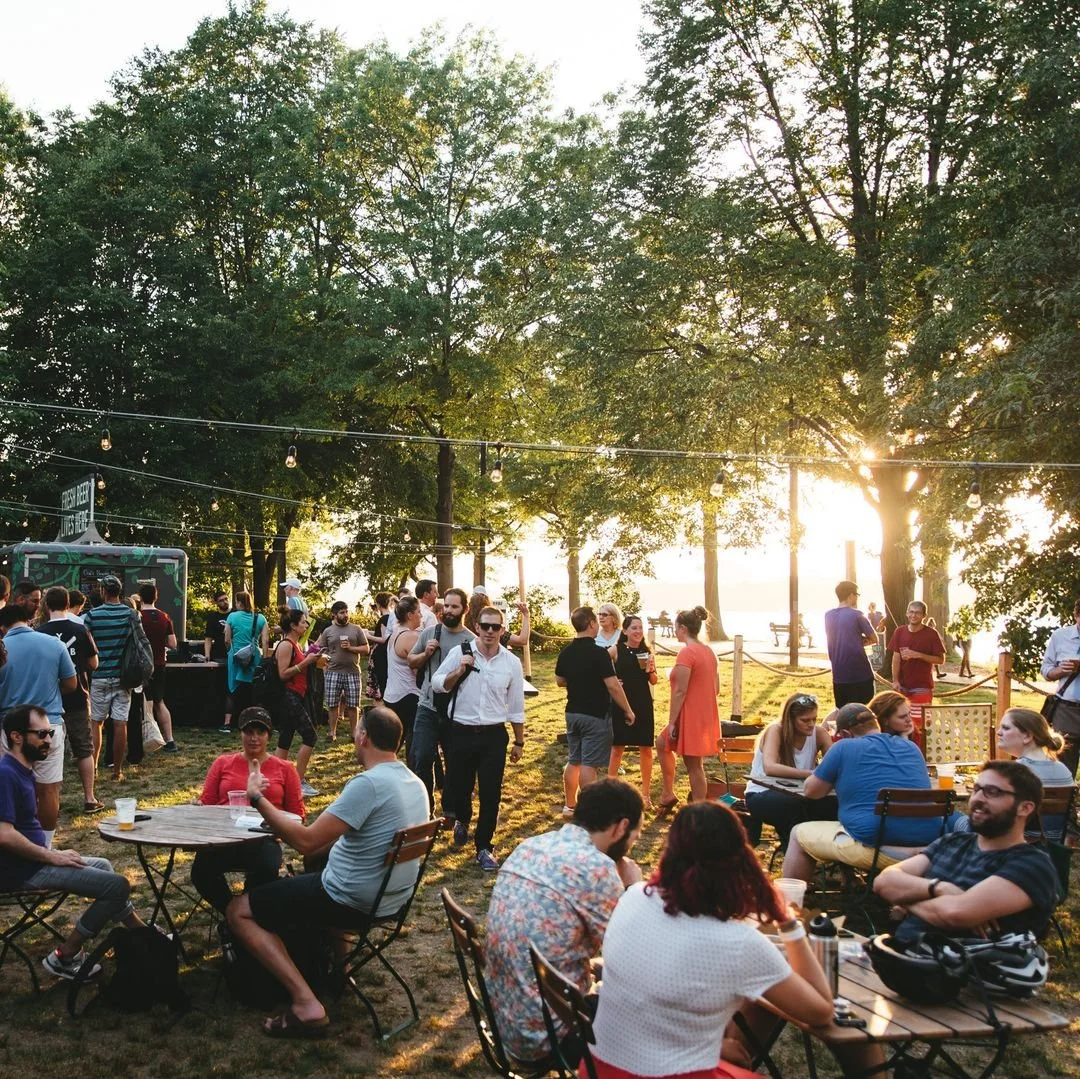
I've had that pour. More than once, at more than one Boston restaurant. It's the kind of small, spontaneous, joyful thing that makes a night out feel like something, instead of just dinner. And it's exactly the kind of thing this city keeps finding ways to squeeze the life out of.
This isn't really about one restaurant or one bad pour. It's about a pattern. This year alone, Boston has watched Bar Mezzana, No Relation, Shore Leave, Nine, Chickadee, Time Out Market, Gourmet Dumpling House, and all eleven Clover Food Lab locations close their doors. Meanwhile, the city's own nightlife office is on record saying Boston is ready for looser, not tighter, alcohol regulation, and that this summer's World Cup-era social districts proved it works. So why does enforcement keep moving in the opposite direction?
I sent the following letter to the Licensing Board, City Council, and Mayor Wu's office. Sharing it here because I don't think I'm the only one who's noticed:
To:
Mayor@boston.gov
LicensingBoard@boston.gov
City.Council@boston.gov
To the Licensing Board, City Council, and Mayor Wu's office,
I'm writing about the Licensing Board's recent decision to suspend Barcelona Wine Bar's license for three days after violations found during a May inspection, and about what that case says about how Boston treats the businesses that make this city worth going out in.
Let me be clear about where I stand. Serving alcohol to underage patrons is a real problem, and the Board was right to act on it. Six patrons with unscanned fake IDs, plus a seventh with a drink in front of him despite denying he'd ordered one. That's a legitimate compliance failure, and no restaurant, however beloved, should get a pass on it.
But that's not the part of this story that's been circulating. What's been circulating is that Barcelona also got dinged for how a bartender poured wine from a porrón, the traditional Spanish vessel this restaurant and Toro have used for a communal pour for years, while standing on top of the bar. I've received such a pour both here and at a handful of other establishments in Boston, and it should continue happening without policing. As part of the settlement, Barcelona will keep doing the pour, but with juice and soda substituting for wine, and from the ground or a chair instead of the bar.
I'd push back on treating that the same way as the underage-service violation. An of-age patron enjoying a porrón pour, even one poured with some flair by a bartender standing on the bar, is exactly the kind of spontaneous, joyful moment that makes going out in this city feel alive instead of sanitized. It's the same energy people travel to Barcelona or Seville for. Folding it into the same enforcement action as a genuine ID-check failure sends the message that showmanship and safety violations belong in the same bucket. That chills exactly the kind of culture Boston says it wants more of. If the Board's real concern was liability around a bartender standing on furniture, fine, that's a narrow, reasonable fix. It shouldn't come bundled with "no more wine in the porrón."
Because here's the thing: Boston's own nightlife office is telling us this instinct is backwards. Corean Reynolds, the city's nightlife czar, said outright this month that "Boston is ready for less restrictive alcohol regulation" and that the city is ready to let businesses do business differently. She pointed to this summer's World Cup-driven social districts and extended hours as proof: a majority of surveyed businesses saw a positive impact on both revenue and new customer traffic, with no complaints filed during the pilot. The old idea that nothing good happens after 10pm got directly disproven this summer. The city ran the experiment. It worked. The Barcelona ruling moves in the opposite direction from what the city's own data just showed. (https://www.boston.com/news/local-news/2026/08/12/qa-bostons-nightlife-czar-says-the-city-is-just-getting-started/)
This isn't an isolated incident. It's a pattern, and the restaurant industry is telling us so.
This year alone, Boston will lose Bar Mezzana, No Relation, and Shore Leave in the South End (closing at year's end after a decade of building that neighborhood into a dining destination), Nine in Beacon Hill (closed after less than a year), Chickadee in the Seaport (eight years, closed in July), Time Out Market in Fenway (threatened to close in January after a new operator stepped in), Gourmet Dumpling House in Chinatown after 15 years, and Clover Food Lab's entire 11-location footprint, laying off 170 people. These aren't marginal operators. Bar Mezzana's ownership group is, in food critic Devra First's words, one of the city's most experienced hospitality teams, and they're still walking away rather than fight another three to four years of thin margins. First's recent Globe column made the case plainly: Boston needs a dedicated "restaurant czar," because rent, ingredient costs, and a liquor license market where a single license sells for over half a million dollars are squeezing out exactly the independent, local places that give the city its character, while well-funded out-of-town chains move in to fill the gaps.
That license scarcity isn't a market accident. It's a 1933 state law capping the number of licenses Boston can issue, a law that predates almost every other piece of the city's current business landscape. The city has made real progress chipping at it (225 new licenses issued in recent years, the beer-and-wine-to-all-alcohol upgrade path), but the underlying cap is still there, still driving prices into six figures, and still a state legislative problem the city can't fully solve on its own.
What I'm asking for:
Proportional enforcement. Separate genuine safety and compliance violations (underage service, unscanned IDs) from cultural or theatrical elements of service (porrón pours, communal traditions) in future rulings. Don't let the latter get swept up in penalties for the former.
Make this summer's social districts and extended hours permanent, citywide. Not just downtown, and not just for a World Cup. The city's own data says it worked.
Push the state legislature to reform or lift the liquor license cap. Boston can't out-innovate a law that's nearly a century old. This is the single biggest lever available for keeping small and independent restaurants alive.
Streamline permitting. Councilor Worrell's conversation with the Globe about cutting through Boston's notoriously onerous permitting process is a good starting point. Pair it with the license reform above.
Boston just spent a summer proving, with its own numbers, that a livelier, less restrictive nightlife makes the city better and its businesses stronger. The Barcelona ruling, and the broader wave of closures this year, suggests the city's regulatory instincts haven't caught up to what its own nightlife office already knows. I'd urge the Board and Council to close that gap before more of what makes Boston worth going out in disappears.
Sincerely,
Corey Dinopoulos
South Boston Resident
Fmr Candidate for Boston City Council, D2