The World Cup Wasn’t Just a Party. It Was a Blueprint for Boston
The 2026 FIFA World Cup has come and gone, but I can’t stop thinking about what it did for Boston. And I’m not talking about the matches.
Back in 2013, I helped co-lead the grassroots effort to bring the 2024 Summer Olympic and Paralympic Games to Boston. Whether you supported that bid or not, my belief was always bigger than the Games themselves. It was that Boston was capable of hosting world-class events that would showcase our city, strengthen our economy, accelerate long-overdue investments in public transit and infrastructure, and push us to think differently about what kind of city we wanted to become. This summer felt like proof of that.
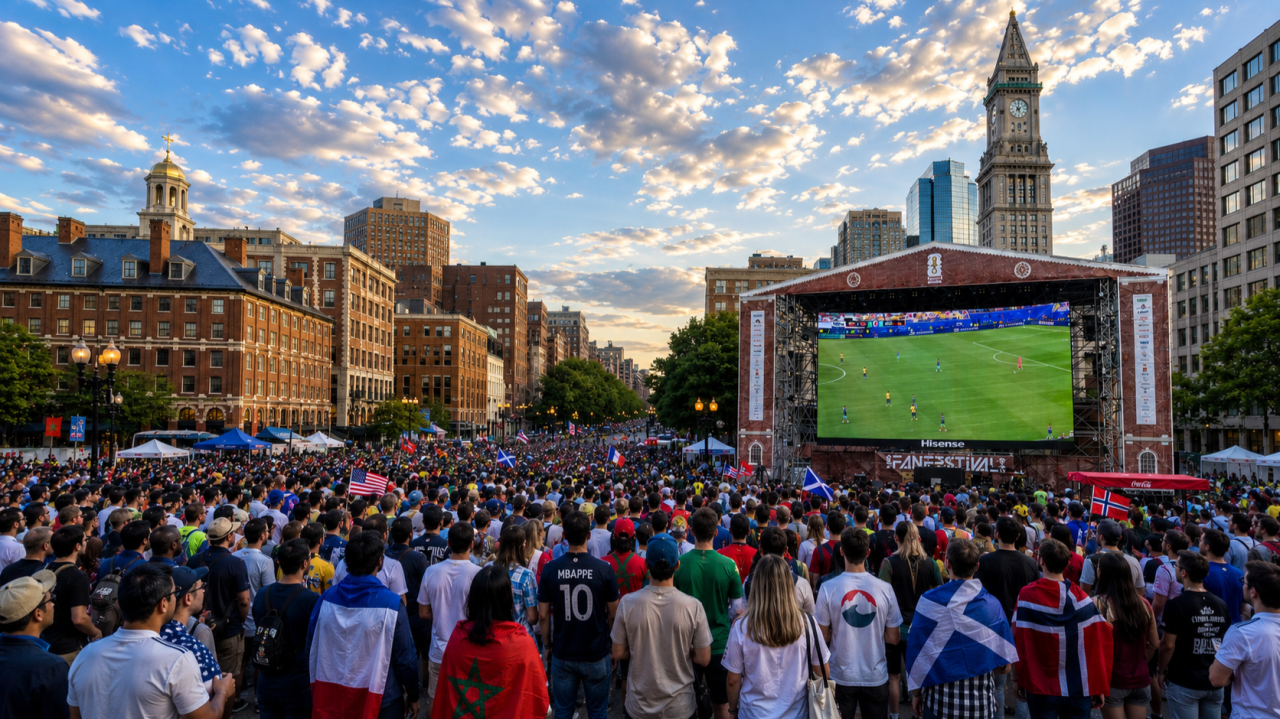
Nearly 450,000 fans attended seven World Cup matches at Gillette Stadium, while more than 160,000 people from 108 countries packed City Hall Plaza for the FIFA Fan Festival. Restaurants and bars saw a 28% jump in spending during the tournament’s opening weeks — the largest increase of any U.S. host city. Massachusetts led all host markets with a 12% increase in beer sales (thank you Scotland), and Greater Boston hotels experienced more than 20% growth in revenue compared with the same period last year. Those aren’t just impressive statistics — they’re evidence that welcoming the world can have a meaningful impact on our local businesses, workers, and economy.¹
But the numbers aren’t what I’ll remember most.
I’ll remember watching Boston loosen up and finally let its hair down. I’ll remember the conversations with visitors who couldn’t stop talking about how friendly, clean, and welcoming the city felt. More than one person told me their time here had changed the way they thought about Americans. And the exchange went both ways — the Scots reminded us how to find joy, the Norwegians taught us how to row, and for a few weeks Boston didn’t just host the world, we became part of it.
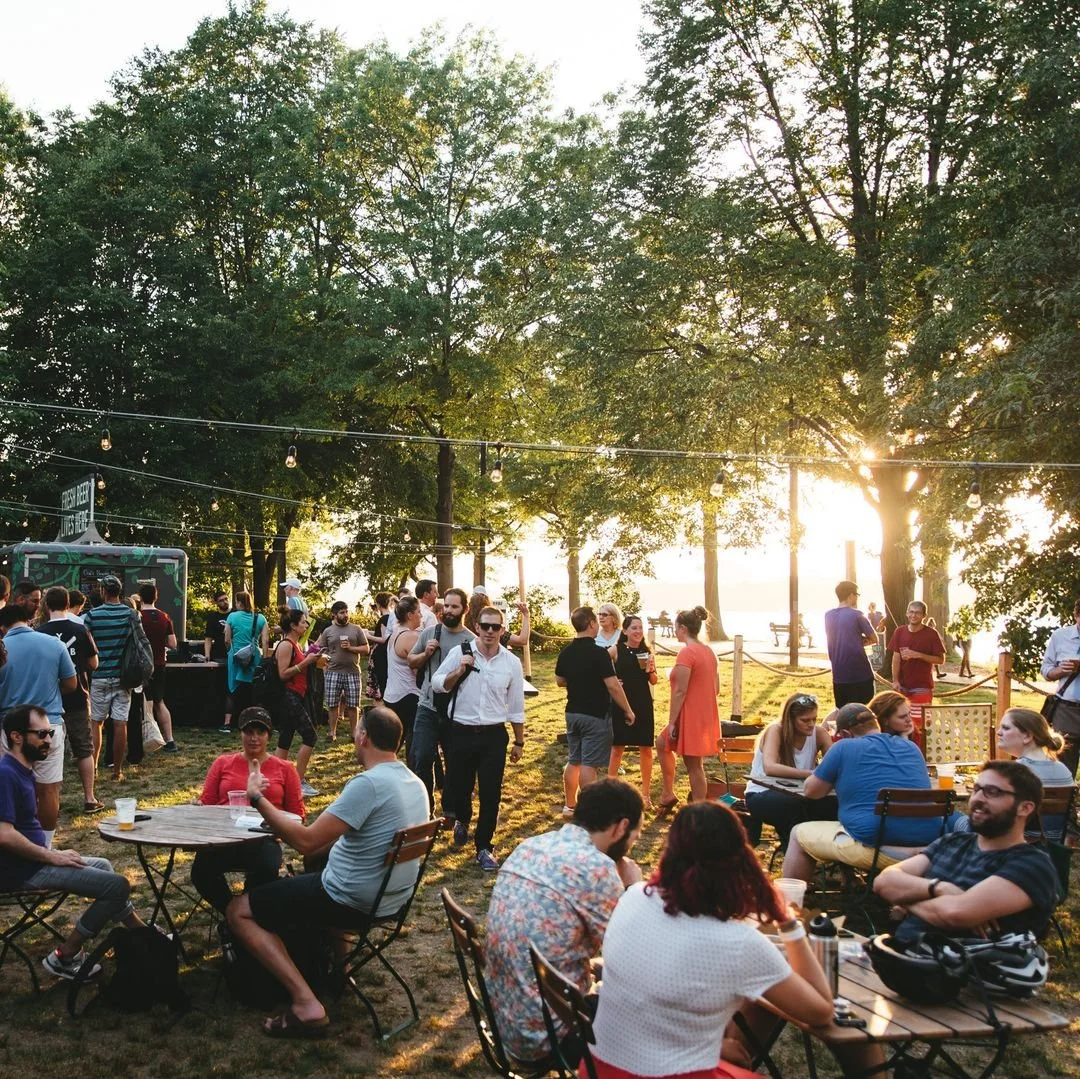
For a few weeks, we gave ourselves permission to experiment. Streets became places to gather. Fans could watch matches together outdoors with a drink in hand. Last call was extended for participating businesses. City Hall Plaza transformed into a public living room filled with people speaking dozens of different languages. The energy spilled into neighborhoods, restaurants, bars, parks, and transit stations.
None of these ideas were particularly revolutionary.
They simply required us to say “yes.”
One thing I’ve learned from years of civic advocacy is that Bostonians are incredibly good at identifying what might go wrong. Parking. Traffic. Construction. Crowds. Those concerns are real, but they often dominate the conversation before we stop to ask what we might gain. The World Cup reminded us that when we’re willing to accept a little short-term inconvenience, the payoff can far outweigh it.
It also reinforced something I’ve believed for a long time: Boston’s greatest strengths are the very things we should continue investing in. Walkable neighborhoods. Public transit that, while far from perfect, can be wonderful when it works. Vibrant public spaces. Streets designed for people, not just cars. Those weren’t side benefits during the World Cup — they were central to making the experience work.
The tournament didn’t just leave us with memorable matches. It gave us a glimpse of the kind of city Boston can be when we embrace big ideas, trust our public spaces, and welcome the world with confidence.
My hope is we don’t look back on this summer as a one-time event.
Let’s continue creating great public spaces where people want to gather. Let’s support restaurants, small businesses, and neighborhood districts. Let’s keep improving transit, walkability, and the public realm. And let’s stop assuming that trying something new is inherently risky or bad.
Because if the World Cup taught us anything, it’s this:
Boston doesn’t have to become a world-class city. It already is.
Now it’s time to keep acting like one. ⚽︎
__
¹ Sources: FIFA Boston Host Committee; Boston.com reporting on economic impact citing Square, Circana, and hotel industry data (July 2026).