Boston Keeps Getting in Its Own Way
I’ve lived in Boston for 22 years. I love this city. I ran for City Council, and in 2013 I helped launch the grassroots effort that became Boston’s official 2024 Olympic bid because I believed the city was capable of thinking bigger about its future. I still believe that. But I’ve also seen firsthand how hard it is for this city to get out of its own way.
Boston has everything going for it: history, density, world-class institutions, walkable neighborhoods, and an incredible concentration of talent. And yet, time and again, we pull ourselves back just as we start to move forward. More often than not, the barrier isn’t infrastructure or funding. It’s us.
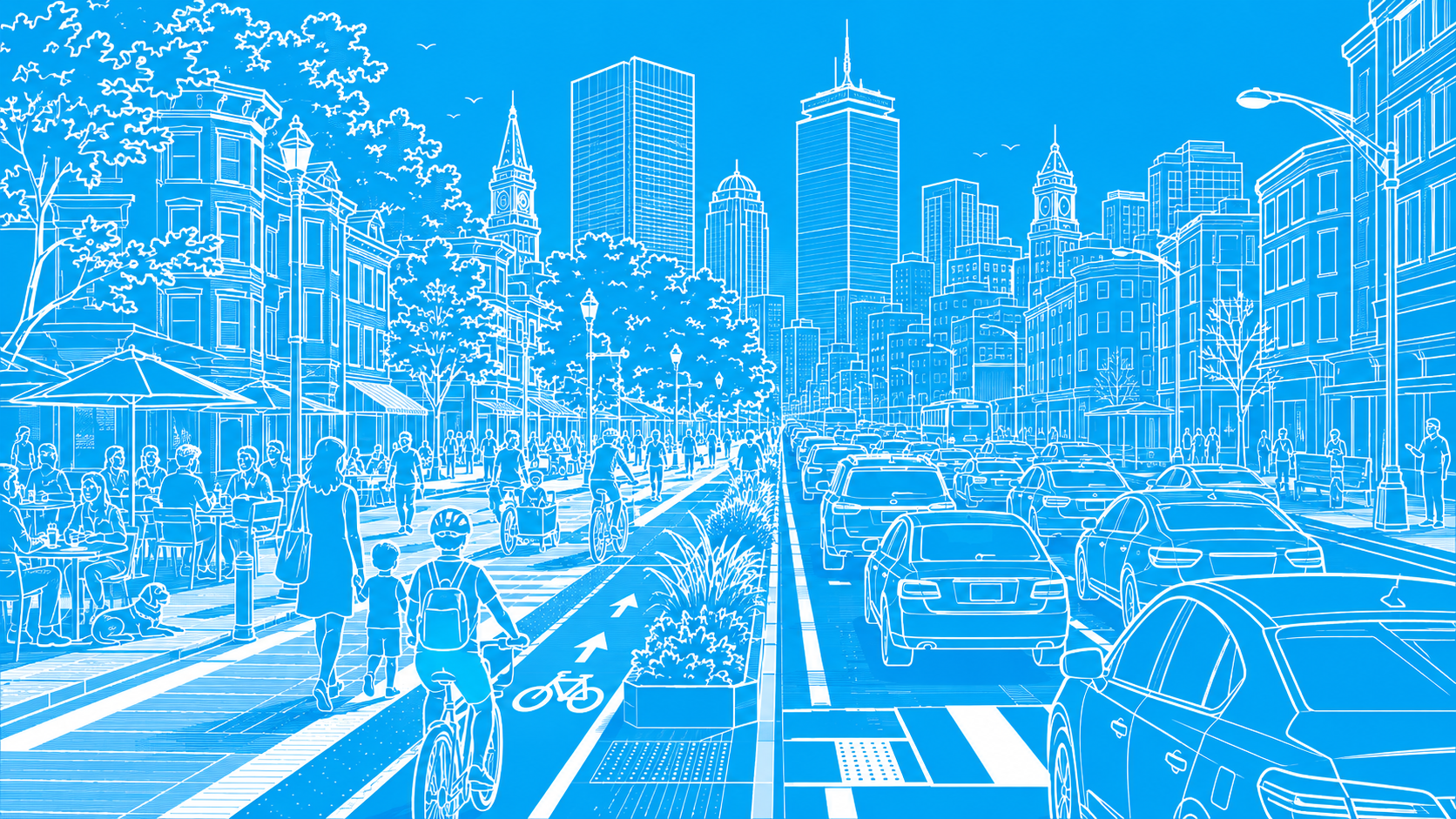
Spend enough time here and you see the pattern. A bike lane goes in and becomes a debate. A street is closed for people instead of cars and suddenly it’s about traffic, parking, and noise. Outdoor dining appears and the response becomes, “Why would anyone want to eat next to traffic?” No single concern is unreasonable, but together they create a culture where progress is endlessly negotiated down. Boston rarely says no outright. It just struggles to say yes in any meaningful way.
A City That Hesitates
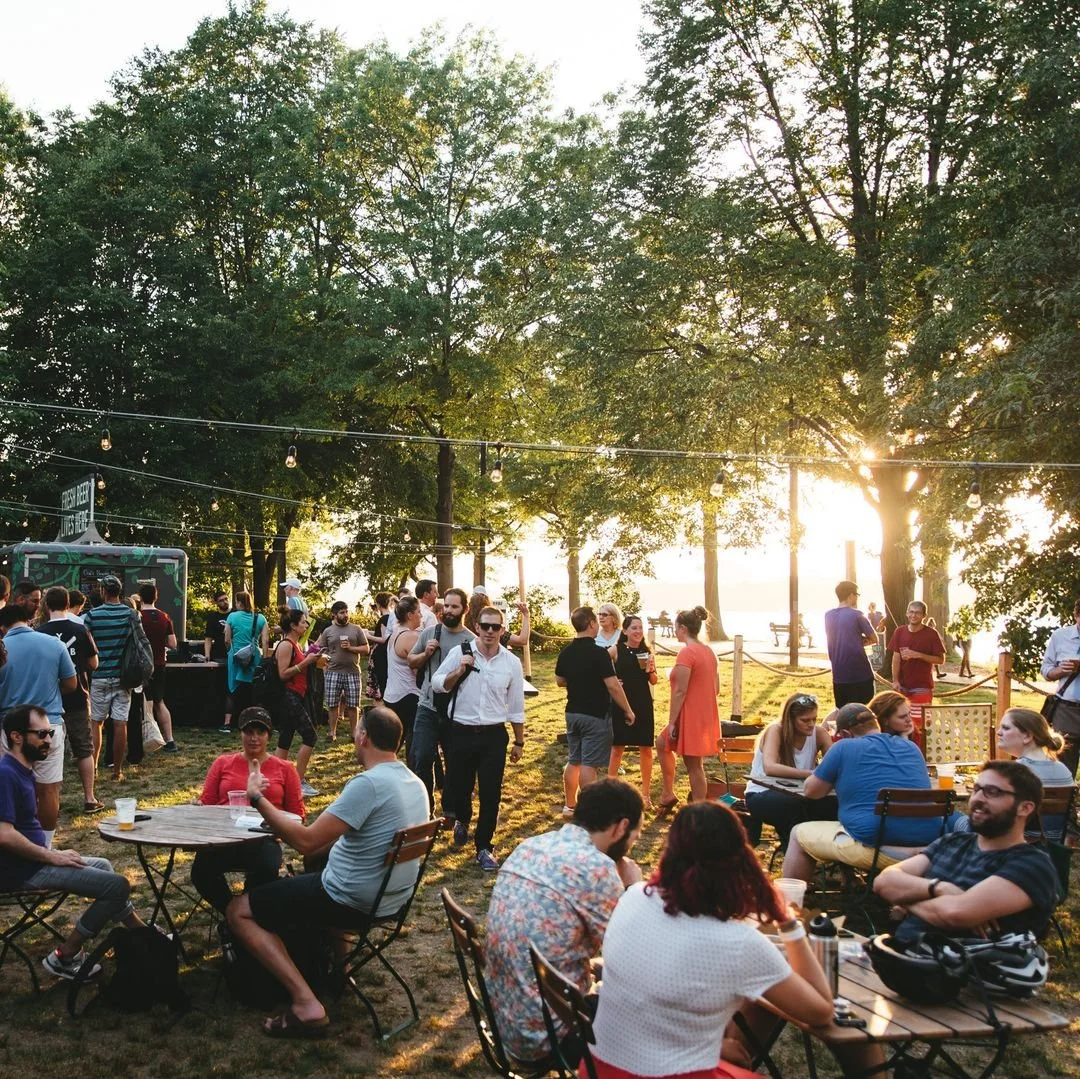
Take Open Newbury Street. It’s one of the clearest examples of what Boston can be when it leans into its strengths. The street fills with people. Businesses benefit. It feels active, social, and human. It works. And yet, this year it’s being scaled back because of overlapping planning around the World Cup (June 13-July 9), America 250, and the return of Tall Ships (July 11-16). Even at a moment when Boston should feel more activated than ever, we still struggle to prioritize and fully commit to the kinds of public experiences that make cities feel vibrant.
That dynamic shows up everywhere. Boston actually pilots plenty of ideas, which is a good thing, but too often those pilots roll out slowly, with unclear communication and watered-down execution. Projects become defined more by the backlash around them than by what they were trying to achieve in the first place. The result is a city that constantly feels like it’s testing its future instead of confidently building it. And behind all of this is friction most people never see. Permitting in Boston is slow and complicated. Licensing, especially liquor licensing, remains outdated and restrictive. Because the number of liquor licenses is capped, they can sell for hundreds of thousands of dollars on the private market, creating a massive barrier for independent restaurants, bars, and venues before they even open their doors. Opening a business becomes harder and more expensive than it should be, favoring those who already know how to navigate the system or can afford to buy their way into it. Even hosting a temporary event can feel like navigating a maze. Over time, that complexity discourages new ideas and limits the kind of energy that makes cities feel alive.
What makes this more frustrating is the moment we are in. Boston is approaching its 250th anniversary and preparing to host the World Cup. This should feel like a defining period for the city, a chance to show up on a global stage. It should feel alive, with streets activated and public spaces full. But right now, it doesn’t. There’s no real sense of buildup. No visible momentum. You have to know where to look to even realize it’s happening. That’s not just a missed opportunity. It reflects how we approach change.
What It Will Take to Move Forward
Other cities make decisions and commit to them. They take space from cars and give it to people. They simplify systems so ideas can actually happen. They embrace energy and crowds as signs of success, not problems to manage. Boston tends to do the opposite. We try to balance every concern, minimize disruption, and make smaller, safer choices. Each one makes sense on its own, but together they fall short of the moment. We end up with a quieter version of what could have been great.
I’m still an optimist. I wouldn’t have run for office or helped launch Boston 2024 if I wasn’t. But this is bigger than streets or permits or events. It’s about what kind of city we want to be. For a long time, Boston has struggled to fully embrace being a big, energetic, evolving city, and you see the impact of that everywhere. Students come here, build community, and then leave for places that feel more alive, more accessible, and easier to build something in. Better weather plays a role, but so do better attitudes, more vibrancy, more public life, and more room to experiment.